Hancock Shaker Village
Chace Gallery
June 18th - November 27th, 2022
ARTIST’S STATEMENT
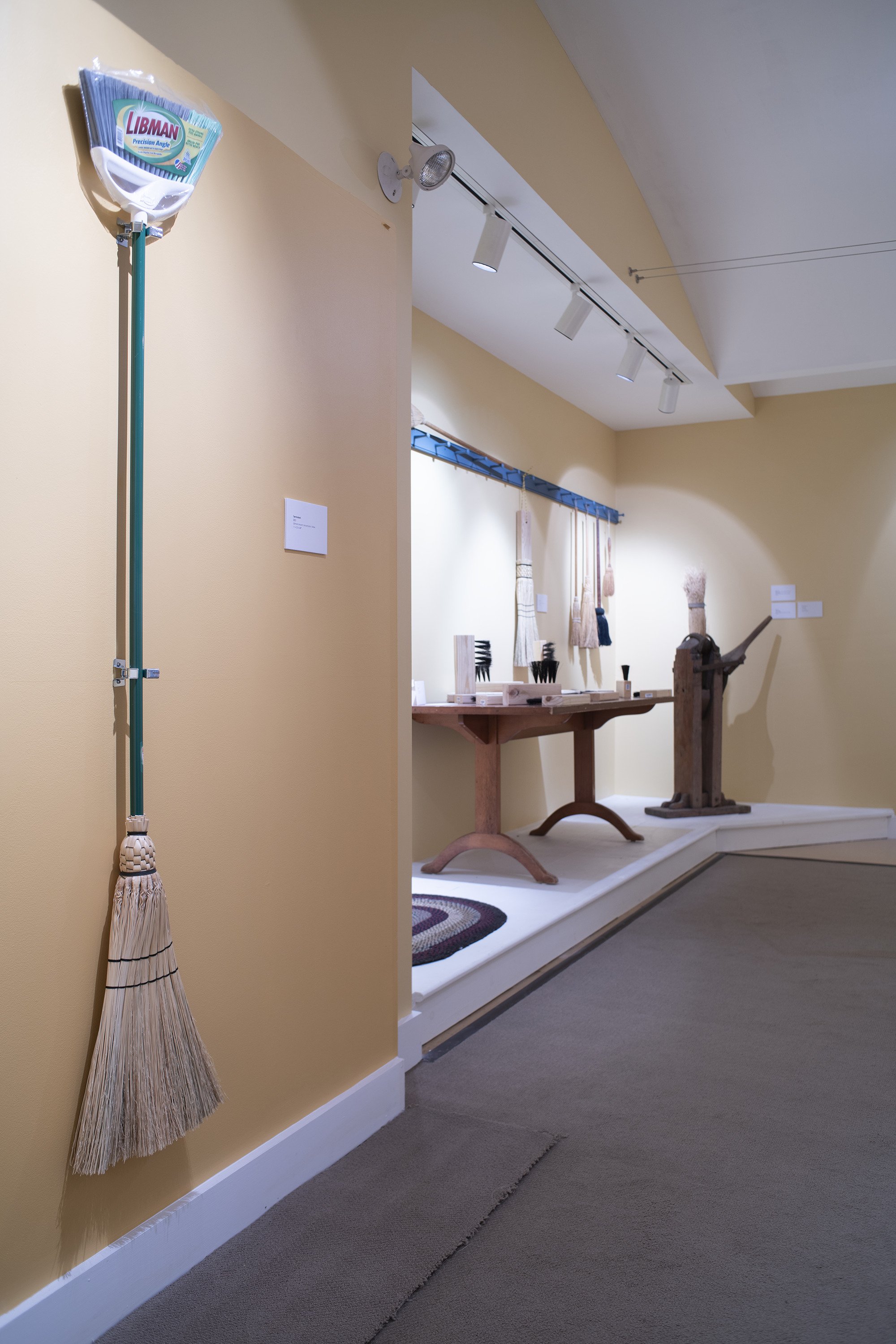
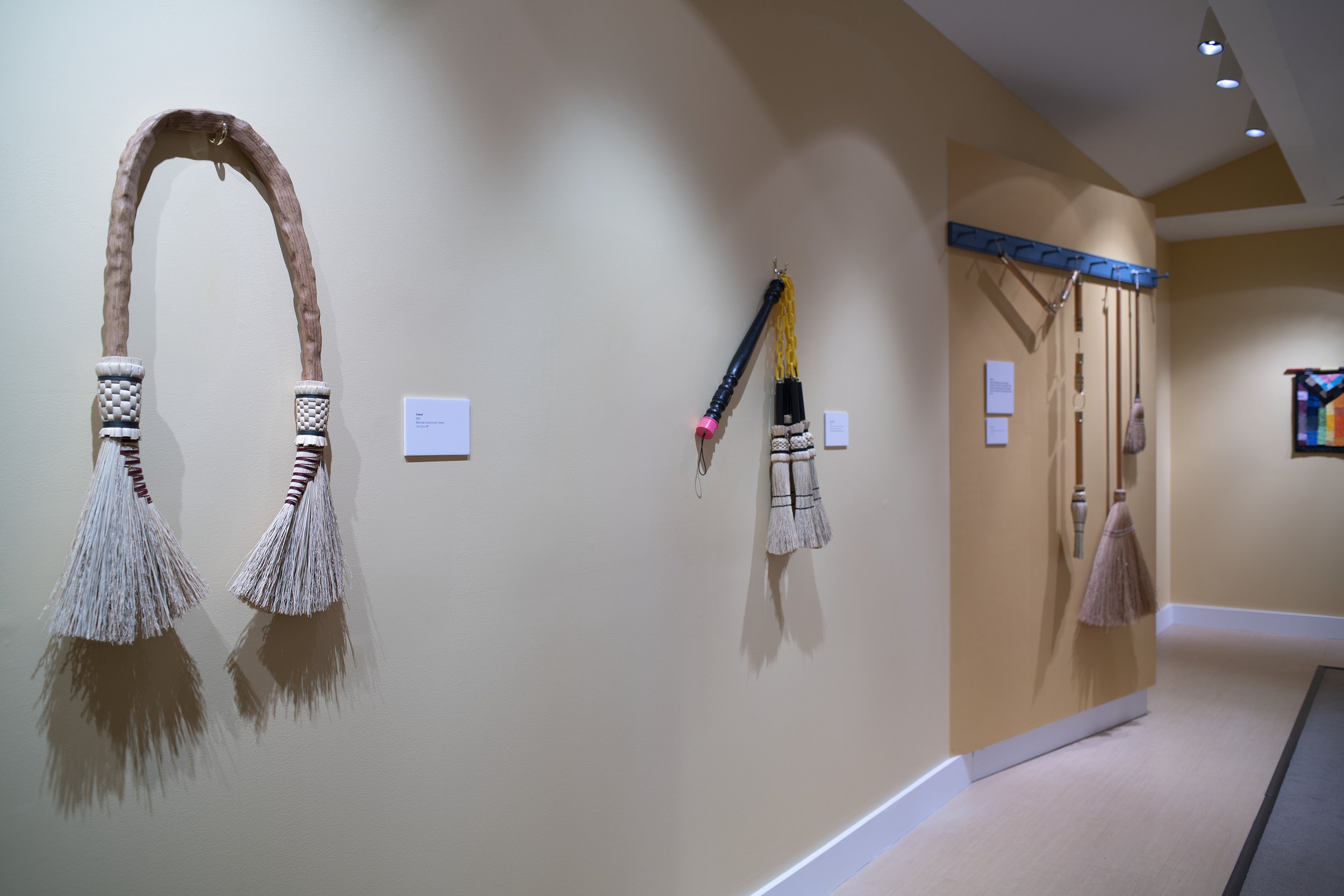
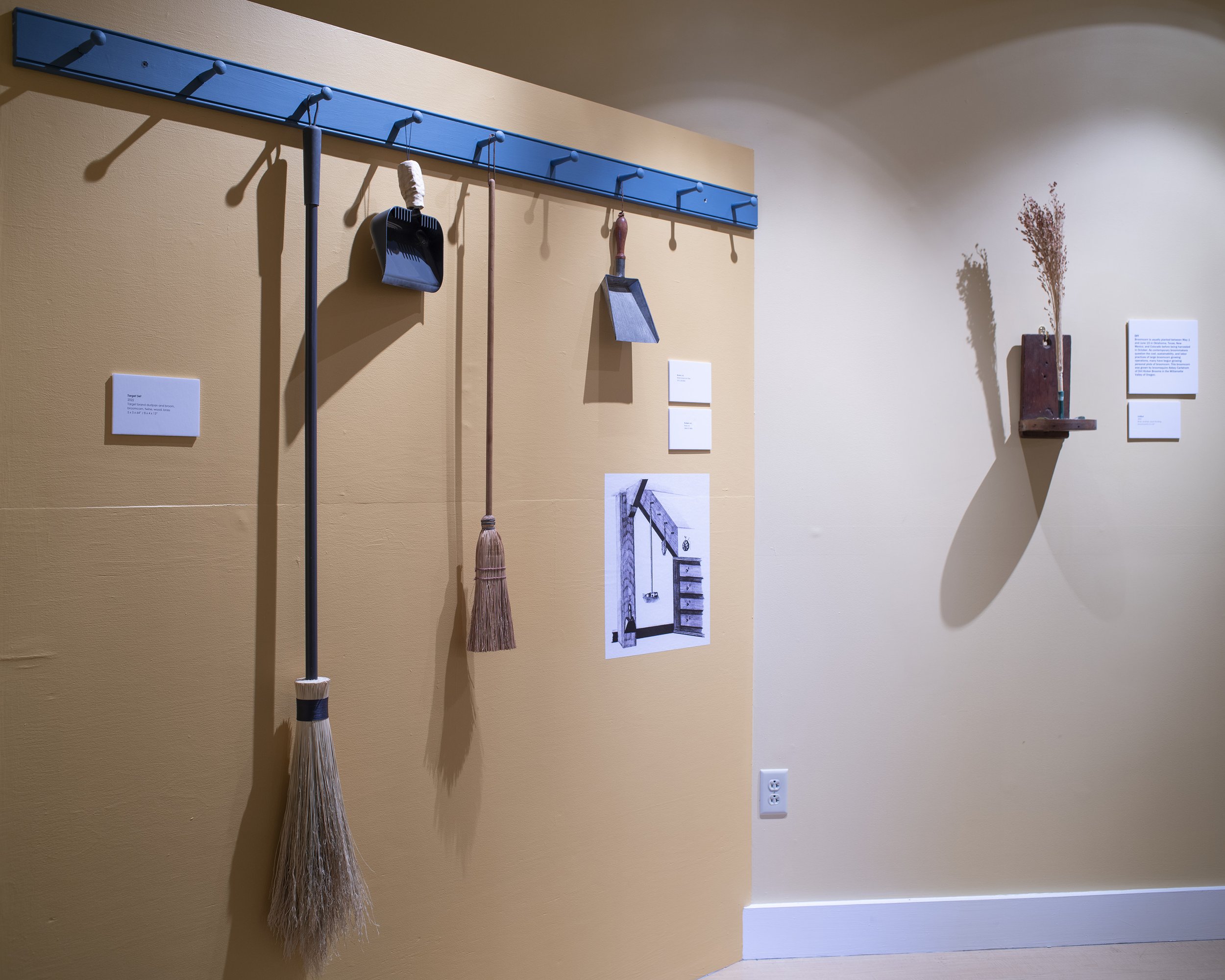
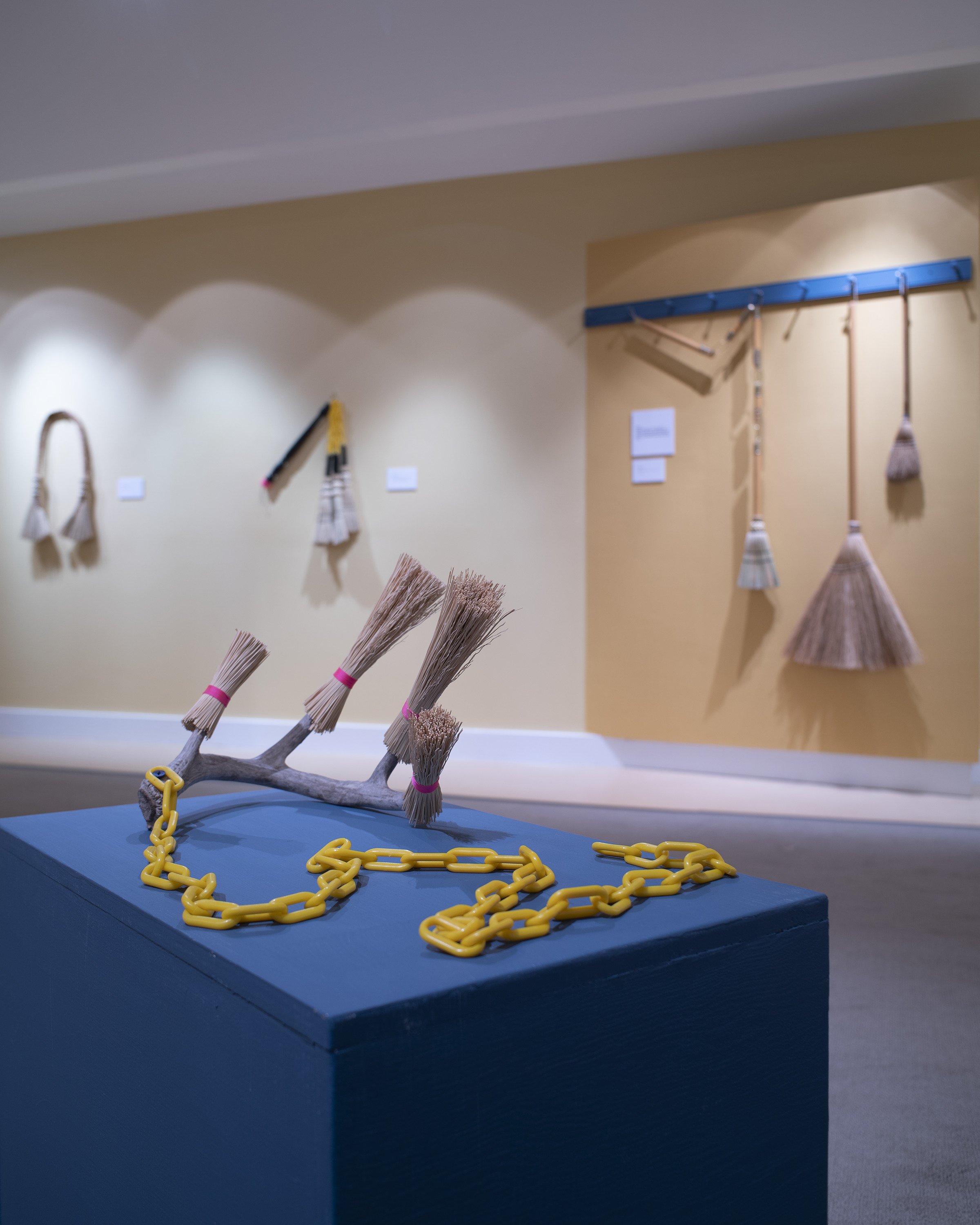
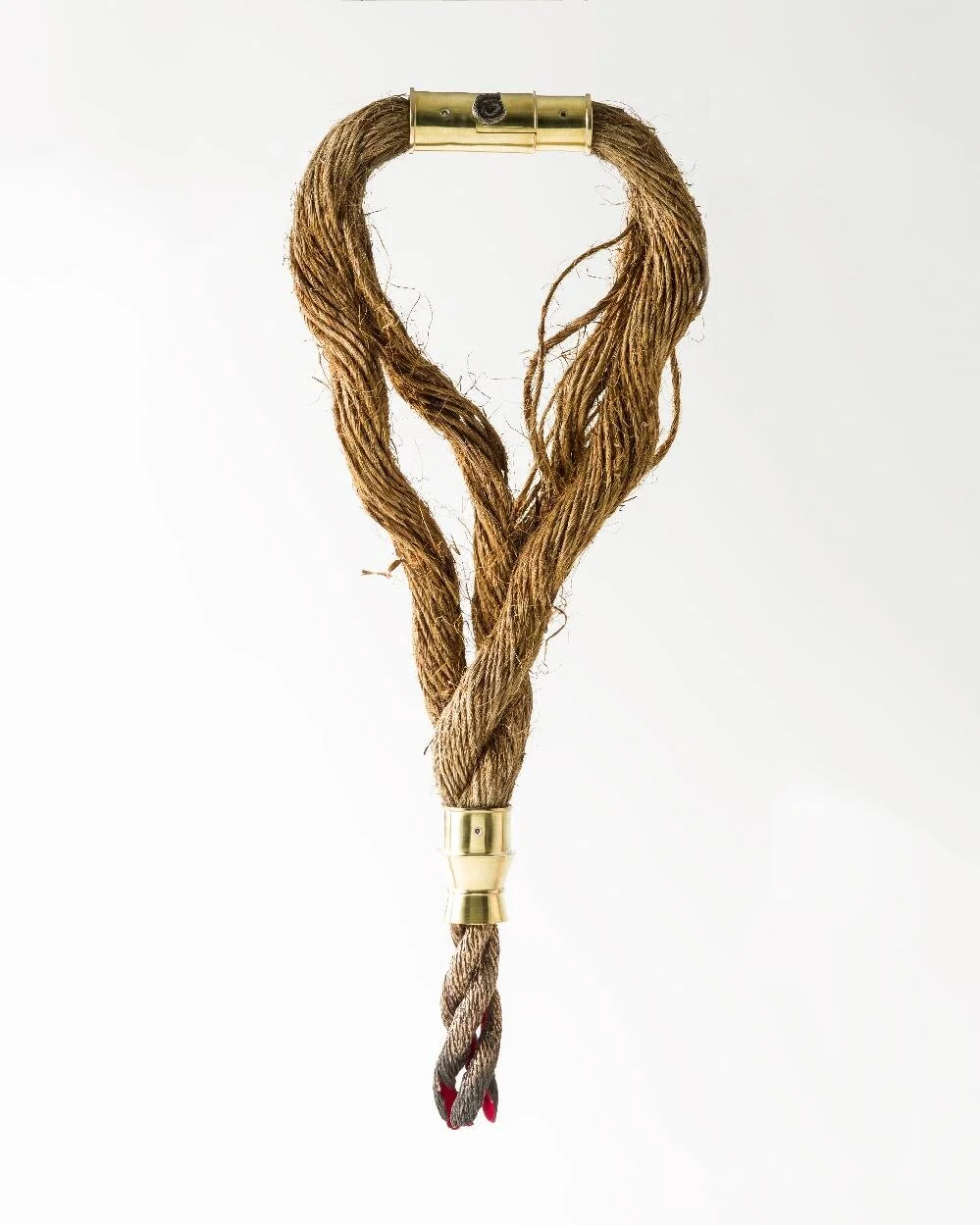
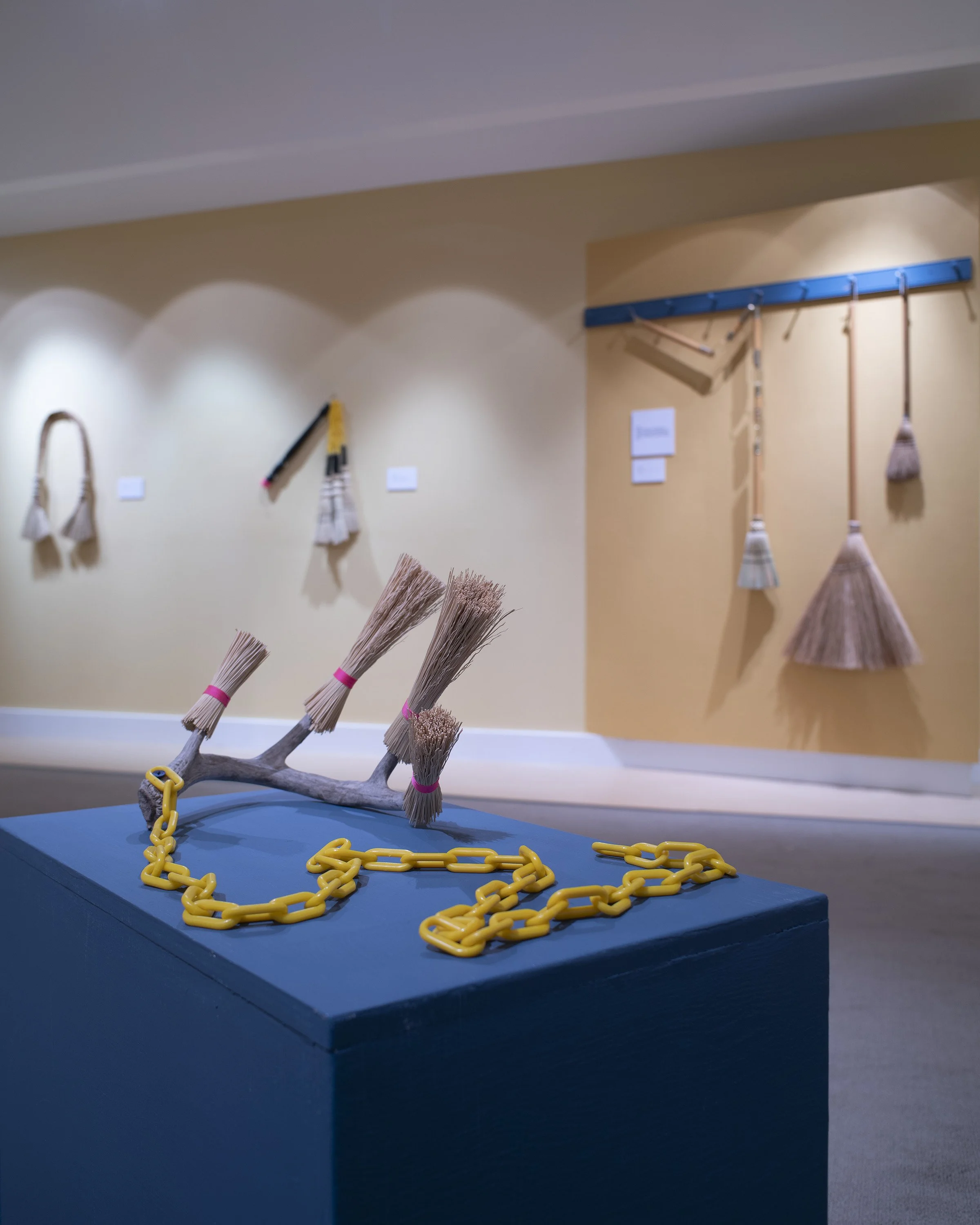
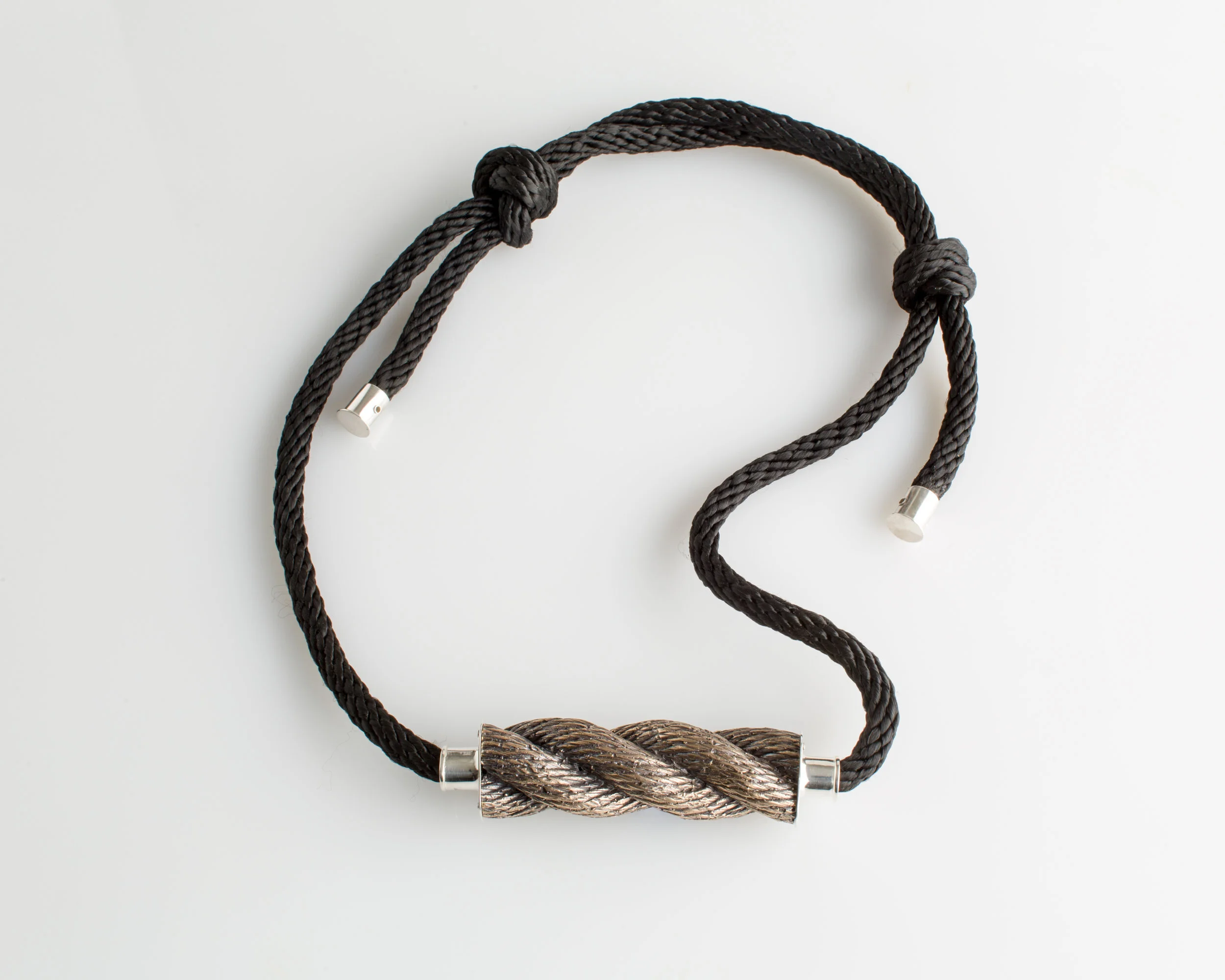
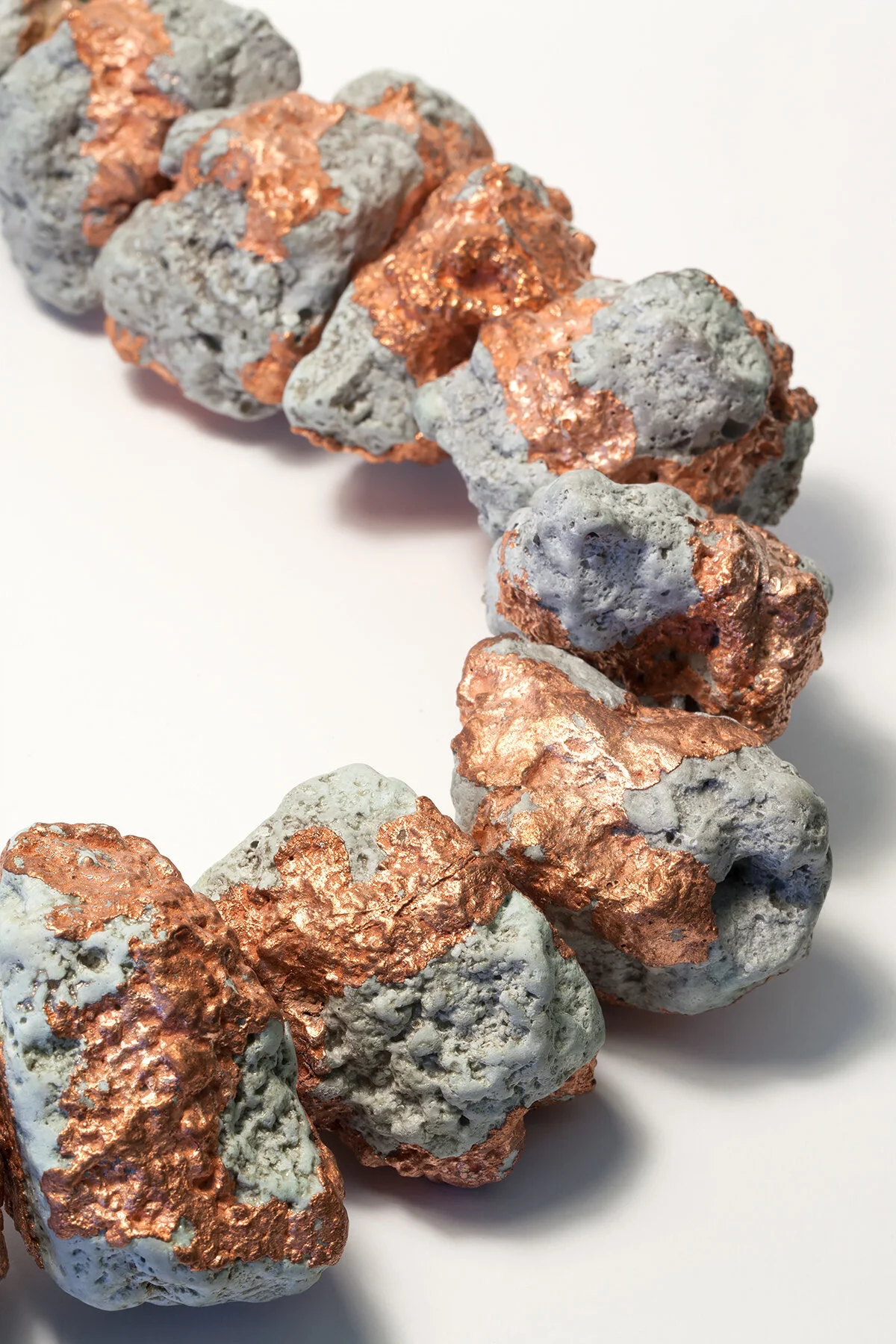
Objects are often the way that I rationalize the world and myself as a maker and artist. In brooms I find an object both quotidian and magical, intelligible in use and curious in making. These objects possess a history both unique in itself and illustrative of the American experience.
In 2019, I received a grant to learn broommaking from Carole Morse at The Foxfire Museum in Mountain City, Georgia. Two years later, I travelled throughout Western Massachusetts conducting fieldwork on broom history. While Georgia and Massachusetts are different regions of the country, they both have distinct broom cultures that have informed my practice.
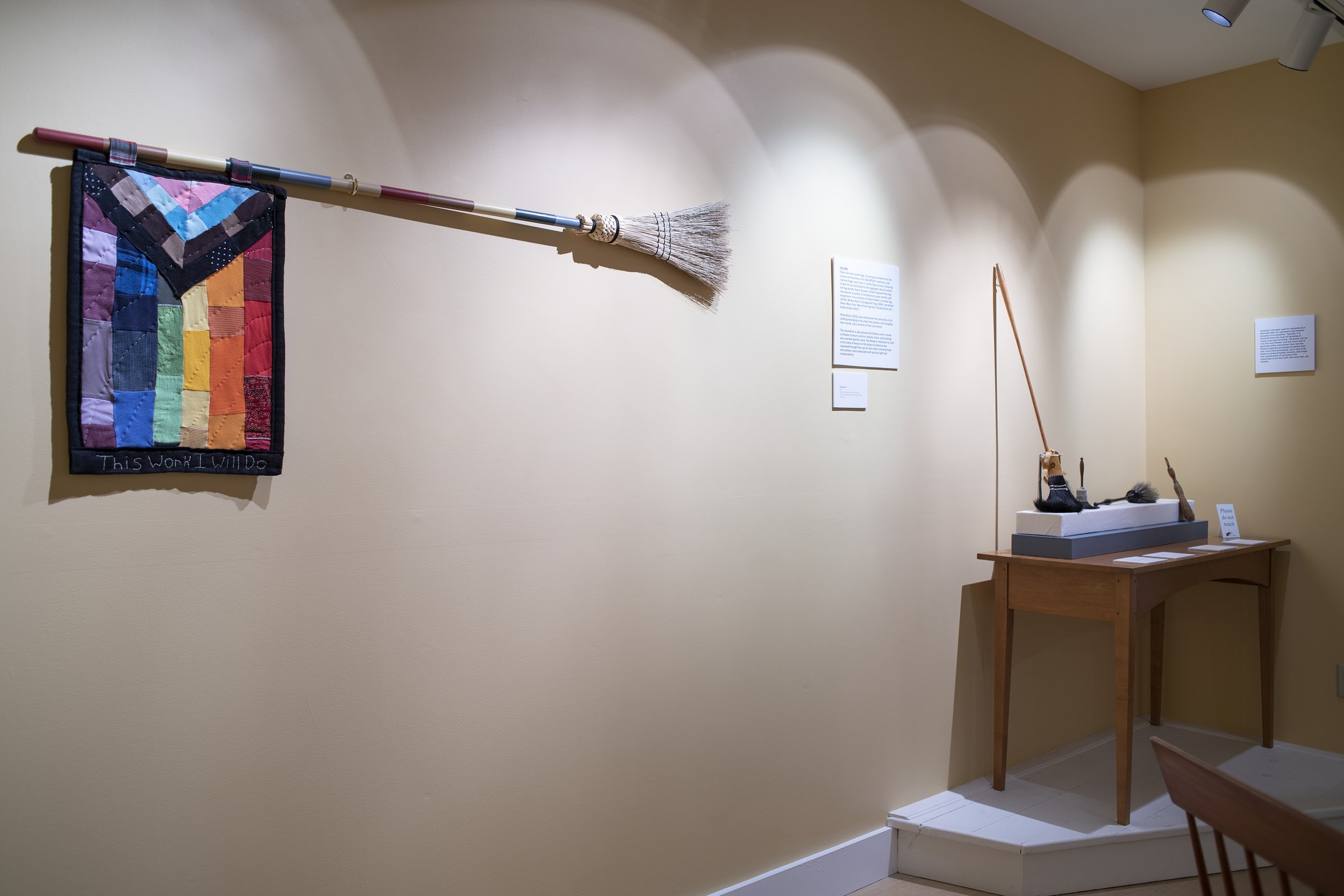
The exhibit’s subtitle is borrowed from a hymn written by a Shaker Sister that I encountered while researching. It resonated deeply with me: the specific line “this work I will do” felt, to me, a reminder that as an artist I am in service to both myself and others. To me, the research I was conducting needed sharing, and the resulting objects marked my continued self-actualization as a queer person through making—work that needs doing, alongside the questioning of romanticized practices and histories of craft. So, the “simple” broom can serve as many things at once.
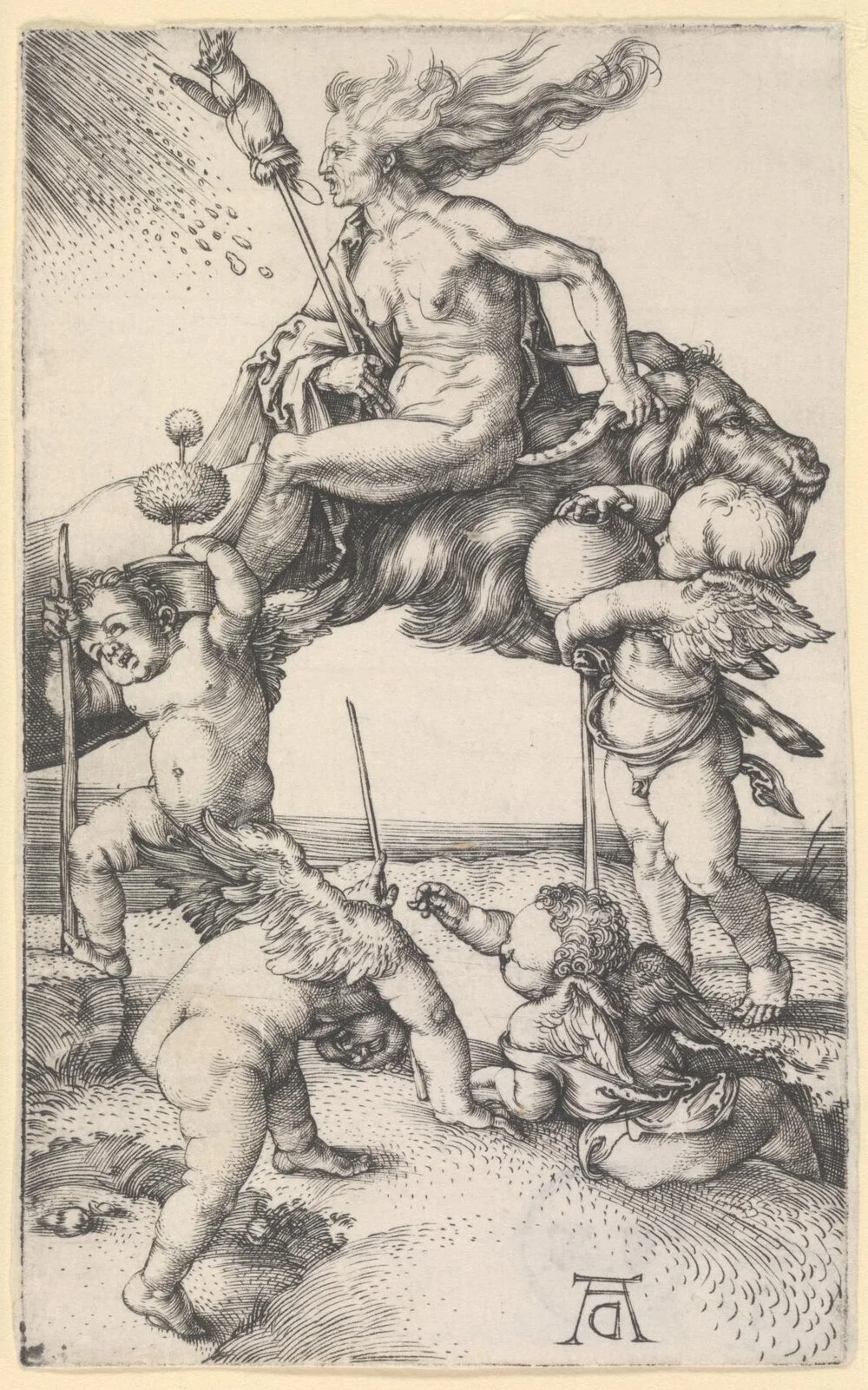
Much like our perceptions of artisanal broommaking, the Industrial Revolution relegated Shaker Society to a wonder and a rarity, full of magic and mystique. However, both still exist today in limited numbers. This perception is further compounded by the lore and spiritual qualities of both. The iconic Shaker broom served both as a tool of the home but also as a ritual tool, and the broom is a classic symbol of witchcraft. Upon arrival to what was recently named New York, Mother Ann was accused of witchcraft by other colonists, and cases of frantic Shaker spirituals and trances in the 19th century have led researchers to draw parallels with the cases of possession from the Salem Witch Trials.
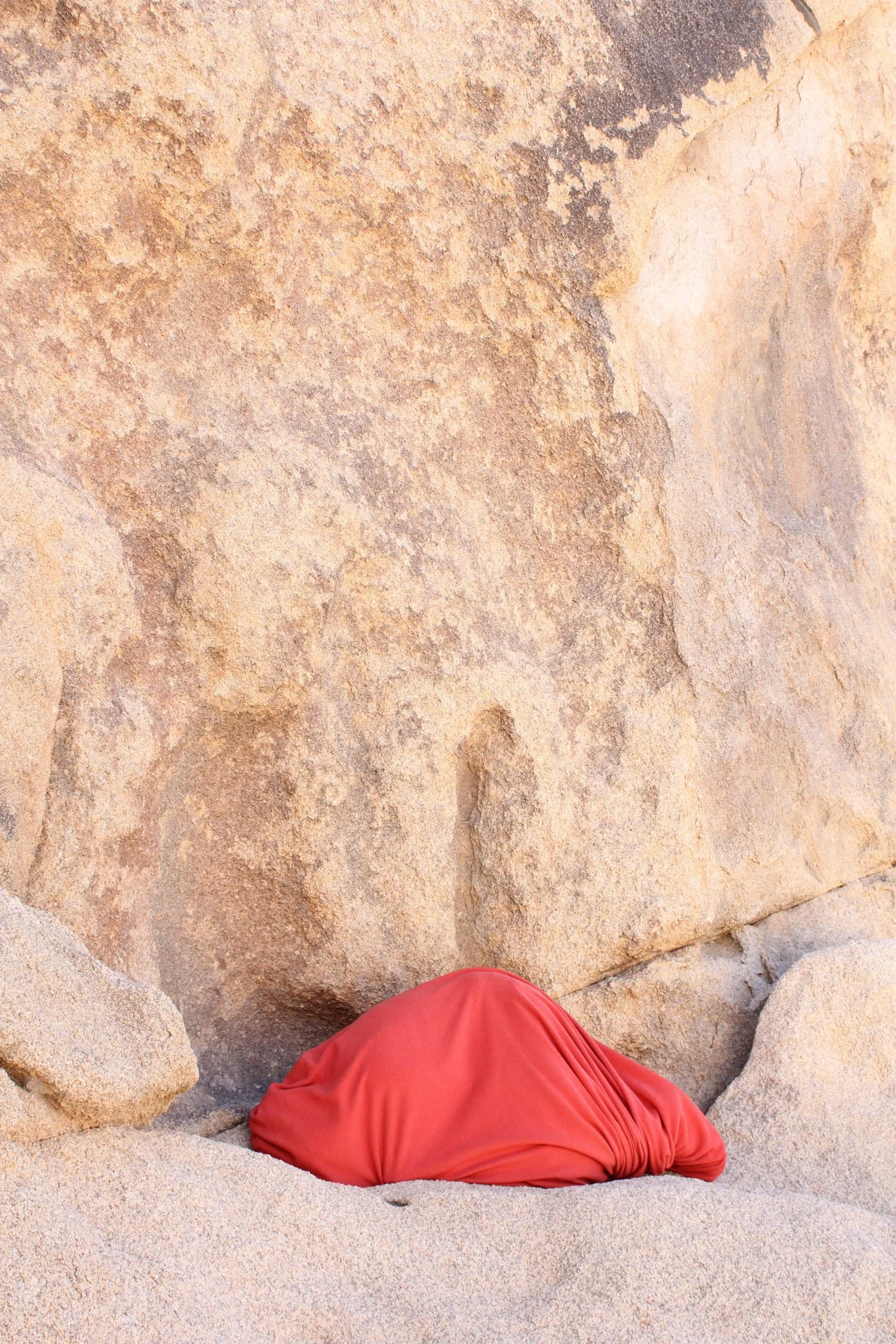
My own relationship with craft is fraught—in art and life I reject most binaries, and have struggled to qualify myself as an artist or craftsperson. These works are neither and both. I have now begun to see these surreal tools, my most candid works yet, as objects of my own persecutions and delight as I navigate through these binaries, trauma and queerness. I have found pleasure in not being one or another. There is magic in that too.
My goal as an artist and educator is to plant seeds that will generate change, so this show was born in a place of love and critique. It is my hope that these works, along with their Shaker counterparts, result in a revisioning about history, and an appreciation for the many hands it takes to accomplish something, giving credence.
-Cate O’Connell-Richards, MFA
CURATOR’S STATEMENT
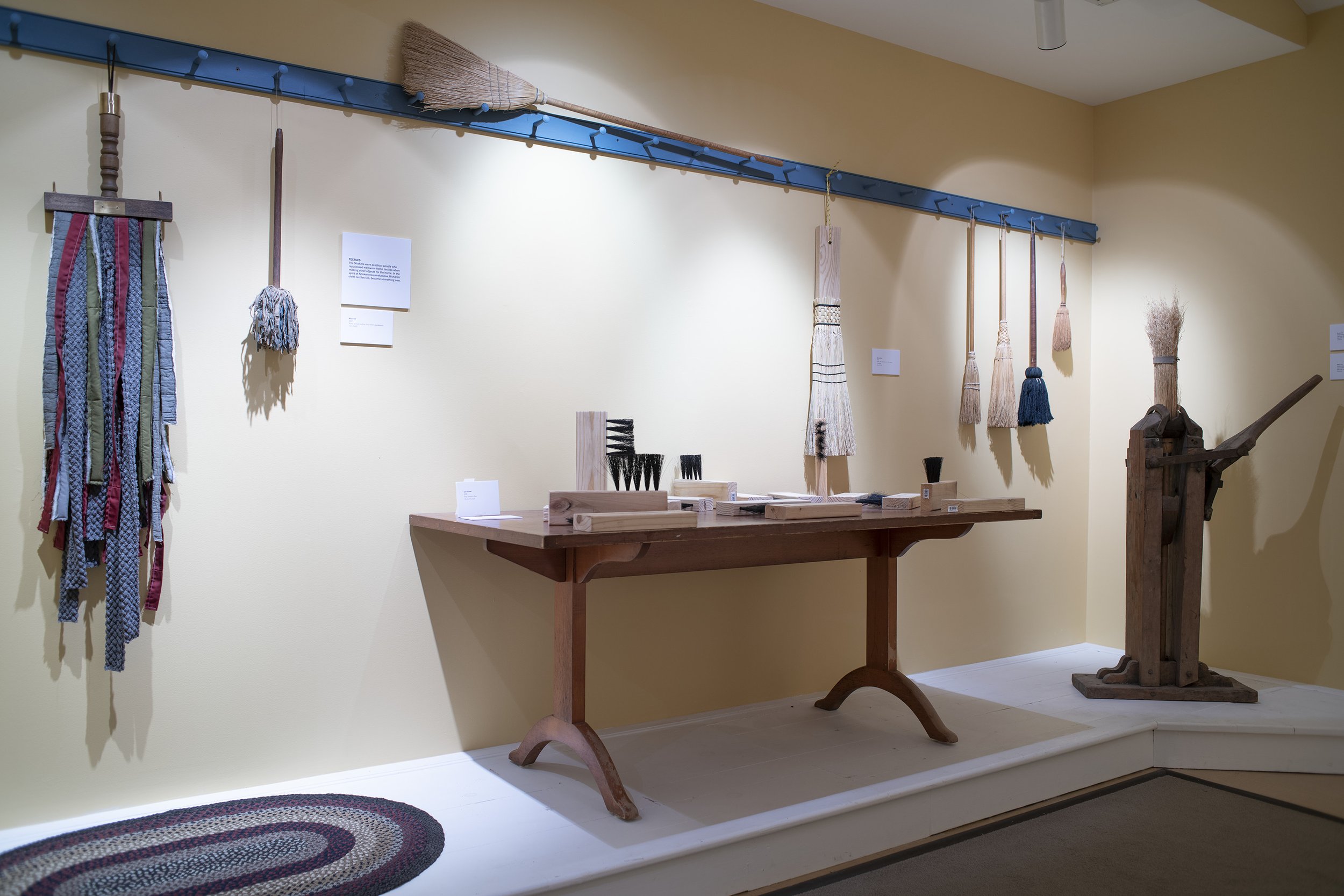
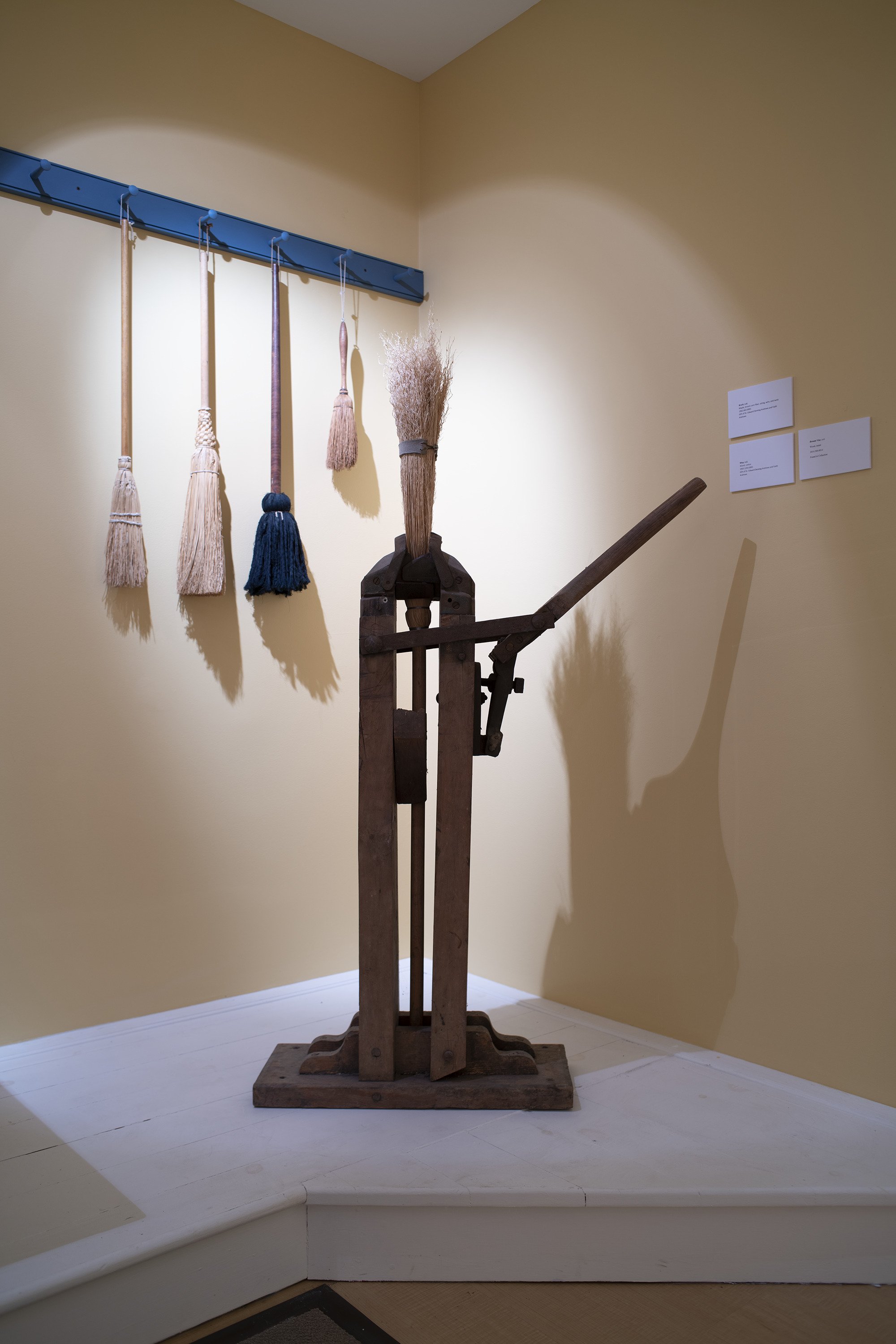
Shaker artisans incorporated their principles into their work: durability, simplicity, utility, perfection, grace. Their religion fostered excellence in temporal as well as spiritual matters. Living in community affected Shaker work and life, freeing individual members from the economic pressures of life experienced by those in the World. In such an atmosphere, the finest work was expected, accomplished, and celebrated, even in utilitarian objects such as the simple broom.
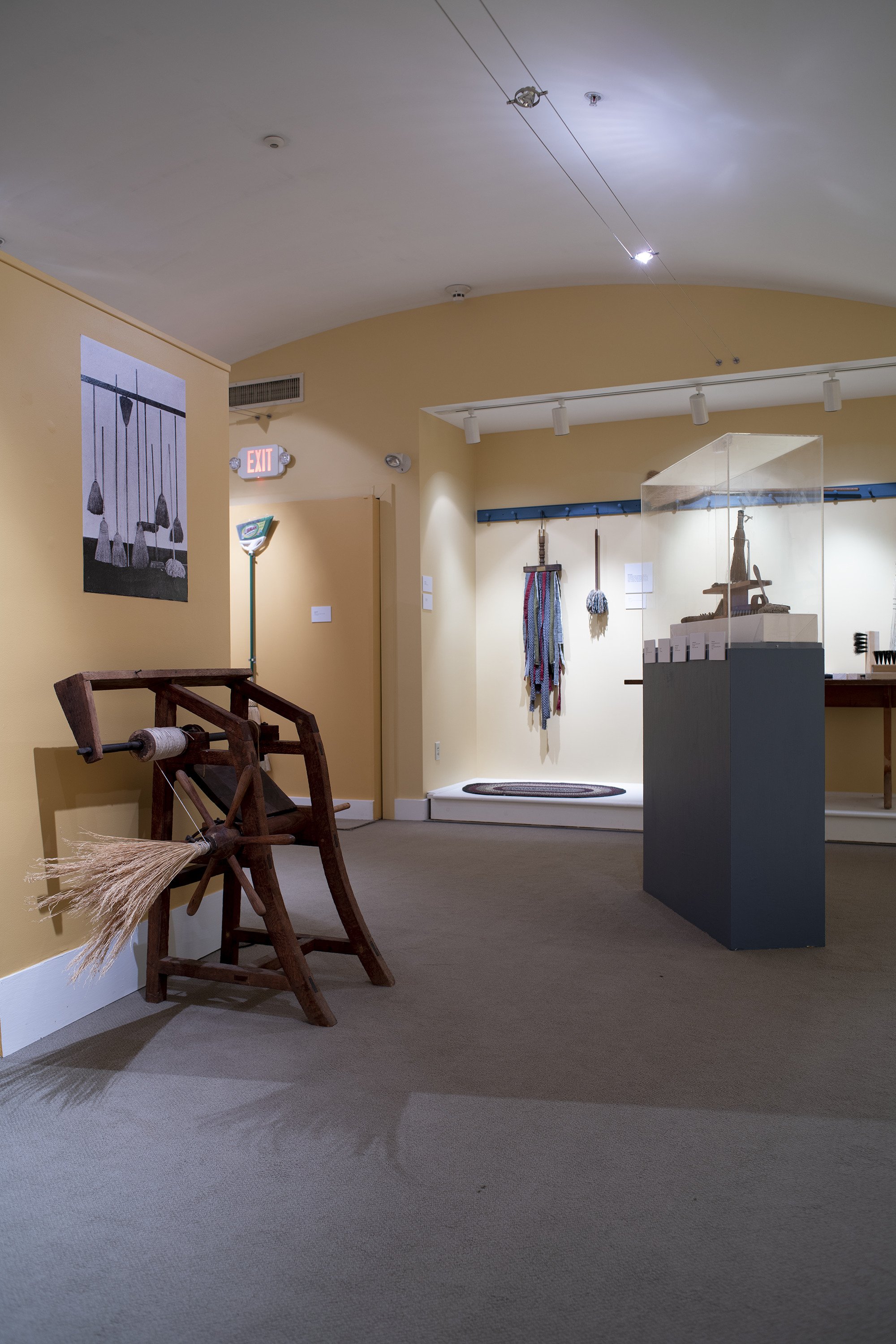
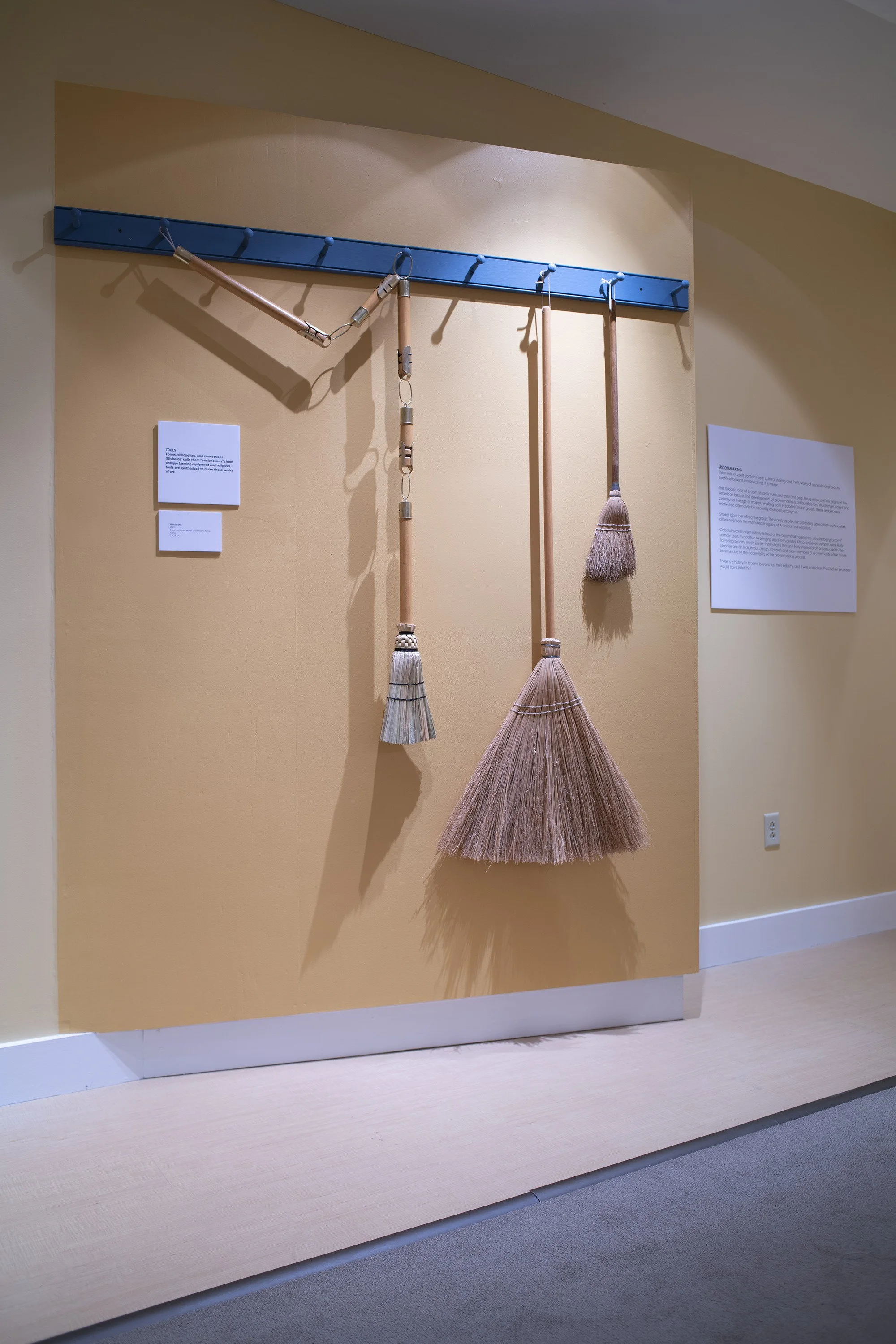
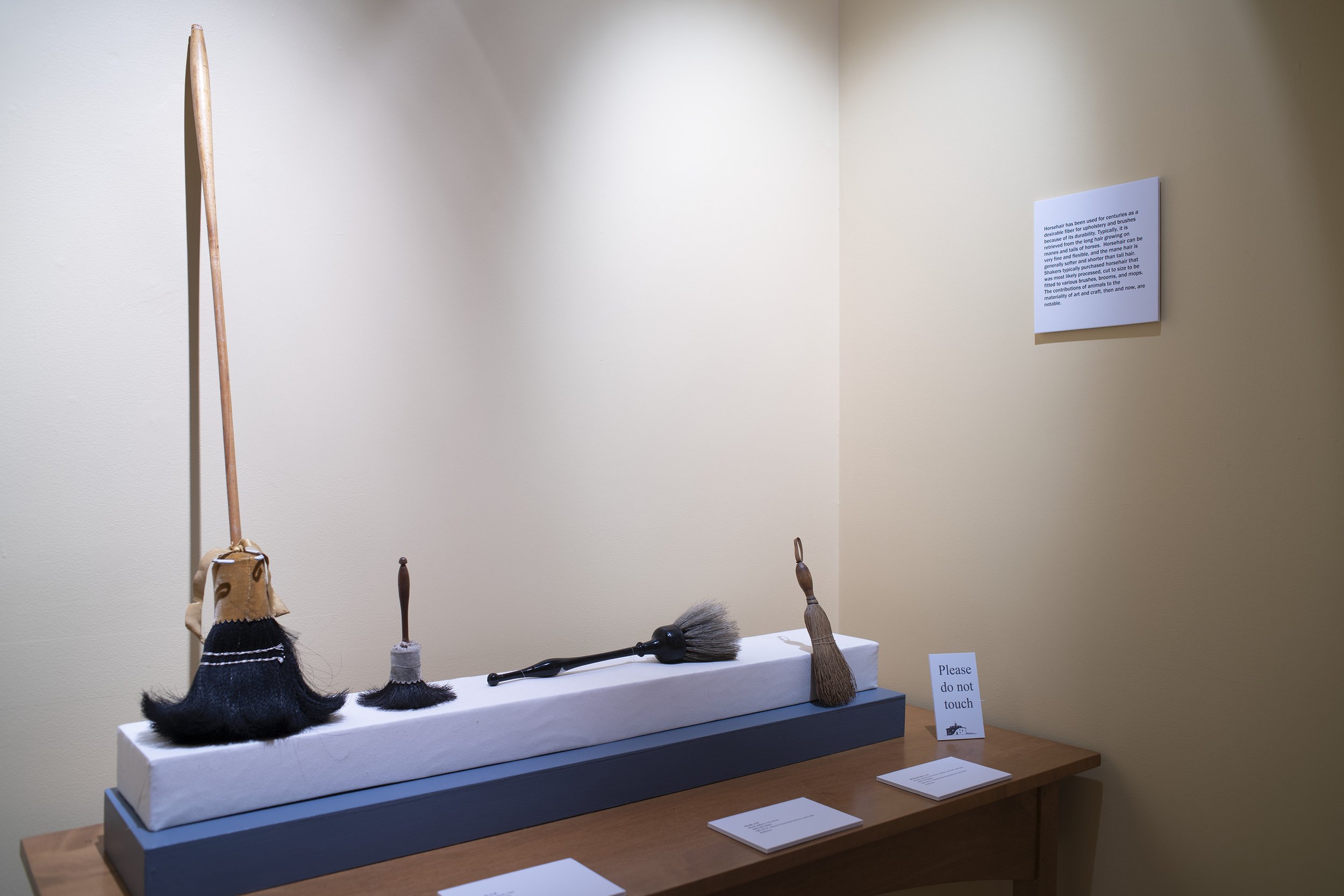
The work of Shaker hands continues to elicit admiration and respect from contemporary artists today. It is our privilege to present in this exhibition– 22 exceptional examples of Shaker brooms and brushes alongside the art and craft of broomsquire Cate Richards, whose works represent the essence of Shaker life and work in excellence and simplicity. While the number of Shakers has diminished, interest in the Shakers’ craftsmanship continues to grow.
-Dr. Linda Johnson
Photos by Kyle Herrera.
See additional signage HERE